As an Amazon Associate, BeautyLara earns from qualifying purchases.
Sun protection is the single most effective step you can take for healthy skin. It lowers the risk of skin cancer and is one of the best defences against premature wrinkles, sunspots and uneven tone. Yet many people still skip it on cloudy days, apply too little, or forget to reapply. This guide explains how sun protection works, how to choose a sunscreen, and which widely loved formulas are worth trying.
Why Sun Protection Matters
- UVB rays cause sunburn and play a major role in skin cancer.
- UVA rays penetrate deeper, contribute to skin cancer and drive photoaging—wrinkles, sagging and pigmentation. They pass through clouds and window glass.
- Daily sunscreen use is linked to reduced skin cancer risk and less visible aging. The NIH’s guide to keeping your skin healthy and the American Academy of Dermatology both recommend daily protection.
How to Choose a Sunscreen
Broad Spectrum, SPF 30 or Higher
“Broad spectrum” means the product protects against UVA and UVB. SPF 30 blocks around 97% of UVB; higher SPF adds a little more protection and some margin for under-application.
Mineral vs Chemical Filters
| Type | Filters | Pros | Cons |
|---|---|---|---|
| Mineral | Zinc oxide, titanium dioxide | Gentle, good for sensitive skin, works immediately | Can leave a white cast |
| Chemical | Avobenzone, octinoxate, homosalate and others | Lightweight, invisible on most skin tones | Can sting sensitive eyes or skin |
| Hybrid | Combination | Balances feel and gentleness | Varies by formula |
Match the Texture to Your Skin
- Oily or acne-prone: gel, fluid or dry-touch formulas. See our best sunscreens for acne-prone skin.
- Dry: lotions with ceramides or hyaluronic acid.
- Sensitive: fragrance-free mineral formulas; see sunscreen for sensitive skin.
- Vegan preferences: browse vegan face sunscreens.
Top Sun Protection Products Compared
These are popular, widely available sunscreens. Descriptions are based on brand information and review consensus, not our own lab testing; check the current label for SPF, filters and water resistance.
| Sunscreen | Filter Type | Best For |
|---|---|---|
| Neutrogena Ultra Sheer Dry-Touch Sunscreen SPF 100 | Chemical | Oily skin, high SPF outdoors |
| EltaMD UV Clear Facial Sunscreen SPF 46 | Hybrid (zinc oxide + chemical) | Acne-prone, sensitive faces |
| CeraVe Hydrating Mineral Sunscreen SPF 30 | Mineral | Dry, sensitive skin |
| Blue Lizard Sensitive Mineral Sunscreen SPF 50+ | Mineral | Sensitive skin, body, outdoors |
| La Roche-Posay Anthelios Melt-in Milk Sunscreen SPF 60 | Chemical | Face and body, water resistance |
Neutrogena Ultra Sheer Dry-Touch Sunscreen SPF 100
Best for: Oily skin and long outdoor days
A lightweight, fast-drying chemical sunscreen with a dry-touch finish. The very high SPF adds a margin for days at the beach or on the slopes, but it still needs reapplication.
Pros
- Very lightweight, non-greasy
- High SPF
- Affordable and easy to find
Cons
- Chemical filters can sting sensitive eyes
- High SPF can create a false sense of security
EltaMD UV Clear Facial Sunscreen SPF 46
Best for: Acne-prone, rosacea-prone or sensitive faces
A dermatologist favourite with zinc oxide and niacinamide in a sheer, lightweight lotion. It wears well under makeup. Read our full EltaMD sunscreen review for more.
Pros
- Oil-free, calming
- Elegant under makeup
Cons
- Pricier than drugstore
- Small bottle
CeraVe Hydrating Mineral Sunscreen SPF 30
Best for: Dry, sensitive skin
A mineral sunscreen with ceramides, hyaluronic acid and niacinamide. It is gentle and hydrating, though it can leave a white cast on deeper skin tones.
Pros
- Fragrance-free, gentle
- Hydrating barrier ingredients
Cons
- Possible white cast
- Thicker texture
Blue Lizard Sensitive Mineral Sunscreen SPF 50+
Best for: Sensitive skin and outdoor activities
A zinc-oxide-based mineral sunscreen designed for sensitive skin. It is water-resistant and suitable for face and body on outdoor days.
Pros
- Fragrance-free
- Water-resistant
- Good for body and face
Cons
- Can feel thick
- White cast on some skin tones
La Roche-Posay Anthelios Melt-in Milk Sunscreen SPF 60
Best for: Water resistance for face and body
A long-time favourite for beach days, with water resistance and a smooth, milky texture that spreads easily over large areas.
Pros
- Water-resistant
- Spreads easily
Cons
- Can feel slightly heavy on very oily skin
How to Apply Sunscreen Correctly
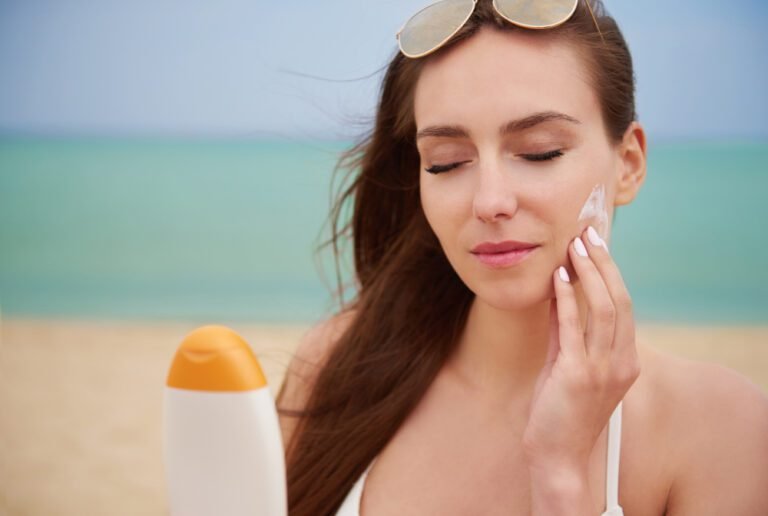
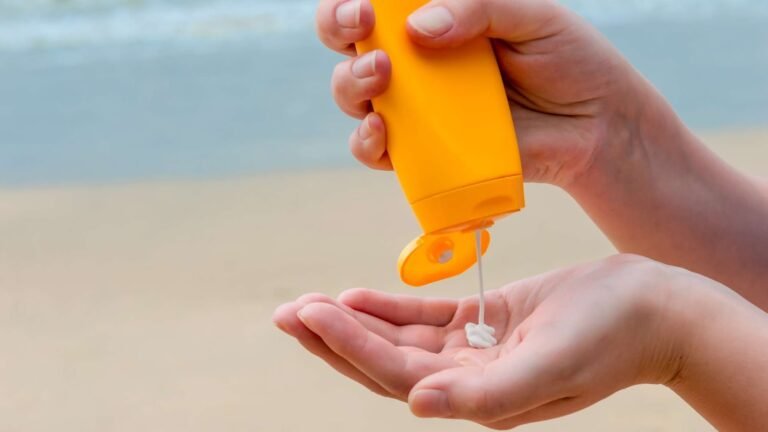
- Use enough: about a quarter teaspoon (or two finger-lengths) for face and neck, and about a shot glass for the body.
- Apply 15 minutes before sun exposure as the last step of skincare, before makeup.
- Don’t miss spots: ears, neck, hairline, tops of feet and the backs of hands.
- Reapply every two hours outdoors and after swimming or sweating.
- Protect your lips with an SPF lip balm.
Sun Protection Beyond Sunscreen
- Seek shade between roughly 10 a.m. and 4 p.m.
- Wear a wide-brimmed hat and UV-blocking sunglasses.
- Choose UPF clothing for long outdoor days.
- Check your skin regularly and see a dermatologist about new or changing moles.
Frequently Asked Questions
Do I need sunscreen on cloudy days?
Yes. Most UV rays pass through clouds, so daily sunscreen is recommended regardless of the weather.
Is SPF 30 enough?
For daily use, broad-spectrum SPF 30 is the general dermatologist recommendation. Use higher SPF and water-resistant formulas for long outdoor days.
Is mineral sunscreen better than chemical?
Neither is universally better. Mineral is often gentler for sensitive skin; chemical tends to feel lighter and leave no cast. The best sunscreen is one you will wear every day.
Does makeup with SPF count?
It helps, but most people don’t apply enough foundation to get the stated SPF. Use a dedicated sunscreen underneath.
Do I need sunscreen indoors?
If you sit near windows for long periods, yes—UVA passes through glass.
Conclusion
Effective sun protection is simple: choose a broad-spectrum SPF 30+ you enjoy wearing, apply enough, and reapply when outdoors. Combine it with shade, hats and sunglasses, and you protect your skin’s health and appearance for years to come.