As an Amazon Associate, BeautyLara earns from qualifying purchases.
Gel is the product that turns loose, frizzy curls into defined, lasting ringlets. It forms a light film (often called a “cast”) around each curl clump as hair dries. Once you scrunch that cast out, you’re left with soft, defined curls that hold their shape. Organic and plant-based curly hair gels do the same job with ingredients like aloe vera, flaxseed and plant gums instead of some of the synthetic polymers and drying alcohols used in conventional gels. This guide covers what these gels can and can’t do, how to read the label, and how to get good definition from a gentler formula.
What Counts as an Organic Curly Hair Gel
“Organic” isn’t tightly regulated on hair products. In the US, a product can only carry the USDA Organic seal if its agricultural ingredients meet the National Organic Program standard. Many brands use “organic,” “natural” or “clean” more loosely. A gel can contain a few certified-organic plant extracts and still use synthetic preservatives, which every water-based gel needs to stay safe.
In practice, most gels sold as organic or natural rely on these ingredients:
- Aloe vera juice or gel: a light hold with some moisture. It’s common in curly-girl-friendly formulas.
- Flaxseed (linseed) extract: a slippery gel that gives a flexible, touchable hold.
- Plant gums: xanthan, guar or sclerotium gum thicken the formula and add hold.
- Marshmallow root, slippery elm and okra: add slip and make detangling easier.
- Humectants: glycerin or honey draw water into the hair. They’re useful in moderate humidity but can cause frizz in very humid or very dry air.
Benefits of Plant-Based Curl Gels
Fewer Drying Ingredients
Many natural gels skip short-chain drying alcohols such as alcohol denat., which some curly people find makes hair feel rough. Not every alcohol is a problem, though. Fatty alcohols like cetyl and cetearyl alcohol soften hair.
Easy Wash-Out
Water-soluble plant gels rinse out easily, so you’re less likely to build up product between wash days. That matters if you co-wash or use low-poo cleansers.
Softer Hold
Flaxseed and aloe gels usually give a softer cast than strong synthetic gels. That suits wavy and loose curly hair, and anyone who wants movement more than a crunchy finish.
Limitations to Know Before You Switch
- Hold is usually lighter. Very coily hair, or hair that has to last through humidity for several days, may still need a stronger polymer gel or a layer of mousse on top.
- Shorter shelf life. Preservative-light formulas can spoil faster. Store them as the label says and throw away anything that smells off or changes texture.
- Possible flaking. Layering a gel over an incompatible leave-in can leave white flakes. That’s a compatibility issue, not a sign the gel is low quality.
- Price. Smaller natural brands often cost more per ounce than drugstore gels.
How to Choose the Right Gel for Your Curl Type
| Hair type | What to look for | Tip |
|---|---|---|
| Wavy (2A–2C) | Light aloe or flaxseed gel, little oil | Use a small amount on soaking wet hair so waves aren’t weighed down |
| Curly (3A–3C) | Medium hold, some humectant plus a light oil | Apply over a leave-in and scrunch the cast out when fully dry |
| Coily (4A–4C) | Stronger hold, plenty of slip, layered with a cream | Work in small sections and shingle the gel through each one |
| Fine curls | Low-oil formula with no heavy butters | Diffuse on low heat to keep volume at the root |
If you’re still building a routine, start with our guide to the best shampoos and conditioners for curly hair. A gel can only define curls that are already well hydrated.
How to Apply Curly Hair Gel for Definition
- Start on wet hair. Apply styling products while hair is still dripping or very damp. This helps curls clump and reduces frizz.
- Layer a leave-in first. A light leave-in conditioner gives slip and moisture under the gel.
- Glaze, then rake or scrunch. Smooth gel over the surface with flat palms, then rake it through or scrunch upward.
- Leave it alone while it dries. Touching hair before the cast sets breaks up the clumps. Air dry or use a diffuser.
- Scrunch out the crunch. When hair is 100% dry, scrunch gently with a drop of oil on your hands to soften the cast.
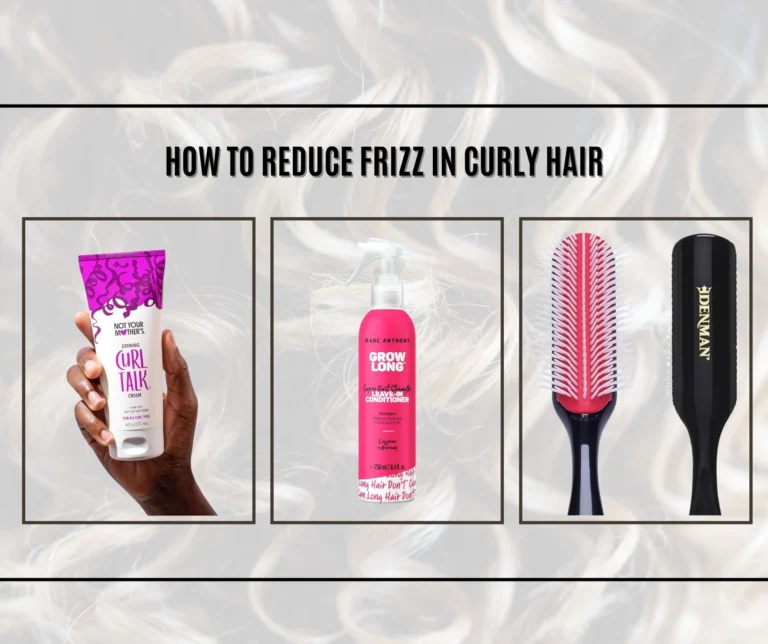
For more ways to keep definition in humid weather, see how to reduce frizz in curly hair.
Where to Find Natural Curl Gels
You can browse a wide range of natural hair products on Amazon, including aloe-based and flaxseed-based curl gels. When you compare options, read the full ingredient list rather than the front label, and check whether the gel is marketed for your curl pattern.
Shop Flaxseed Curl Gels on Amazon
Shop Aloe Vera Curl Gels on Amazon
Men with curly hair can find more ideas in our roundup of curly hair products for men.
Frequently Asked Questions
Is organic curly hair gel better for your hair?
Not automatically. It can be gentler for people who react to drying alcohols or heavy polymers, but how well a gel works depends on your hair type, porosity and climate as much as on its ingredients.
Can I make flaxseed gel at home?
Yes. Many people simmer whole flaxseeds in water and strain the gel. Homemade gel has no preservatives, so keep it in the fridge and use it within about a week.
Why does my natural gel leave white flakes?
Flakes usually come from using too much product, applying it to hair that’s too dry, or pairing it with a leave-in that doesn’t mix well with it. Apply less gel to wetter hair, or try a different leave-in.
Is glycerin in curl gel good or bad?
Glycerin attracts water. In moderate humidity it keeps curls moisturized, but in very humid or very dry weather it can cause frizz. If your curls frizz in certain seasons, try a gel with little or no glycerin.
Conclusion
Organic and plant-based curly hair gels are a good choice if you want soft, touchable definition with fewer drying ingredients. They tend to hold more lightly and keep for less time than conventional gels, so match the formula to your curl type and climate, and apply it to soaking wet hair to get the most out of it.