As an Amazon Associate, BeautyLara earns from qualifying purchases.
Red, tight, stinging skin that suddenly reacts to products you have used for years is usually a sign of a damaged skin barrier. The barrier is the outermost layer of your skin, made of cells held together by lipids such as ceramides, cholesterol and fatty acids. When it is compromised, moisture escapes and irritants get in. The good news is that the barrier can repair itself in a few weeks when you give it the right support. Here is how to do it gently and naturally.
Signs of a Damaged Skin Barrier
- Persistent tightness, especially after cleansing
- Redness, stinging or burning when you apply products
- Flaking or rough, dull patches
- New breakouts or bumps combined with dryness
- Skin that looks shiny but feels dehydrated
What Damages the Skin Barrier
The most common causes are over-exfoliation with acids, scrubs or retinoids; harsh, high-pH or foaming cleansers; hot water; too many active products layered together; sun exposure; cold, dry air and central heating; and stress or lack of sleep. Identifying your trigger is the first step to fixing it.
A Simple Barrier Repair Routine
For the next two to four weeks, strip your routine back to the essentials and pause all exfoliants, retinoids and vitamin C.
| Step | Morning | Evening |
|---|---|---|
| Cleanse | Rinse with lukewarm water or a mild cream cleanser | Gentle, pH-balanced, non-foaming cleanser |
| Hydrate | Hydrating toner or serum with glycerin or hyaluronic acid | Same, applied to slightly damp skin |
| Moisturize | Ceramide-rich moisturizer | Richer barrier cream; add a thin occlusive layer if very dry |
| Protect | Mineral sunscreen SPF 30+ | — |
Cleanse Gently
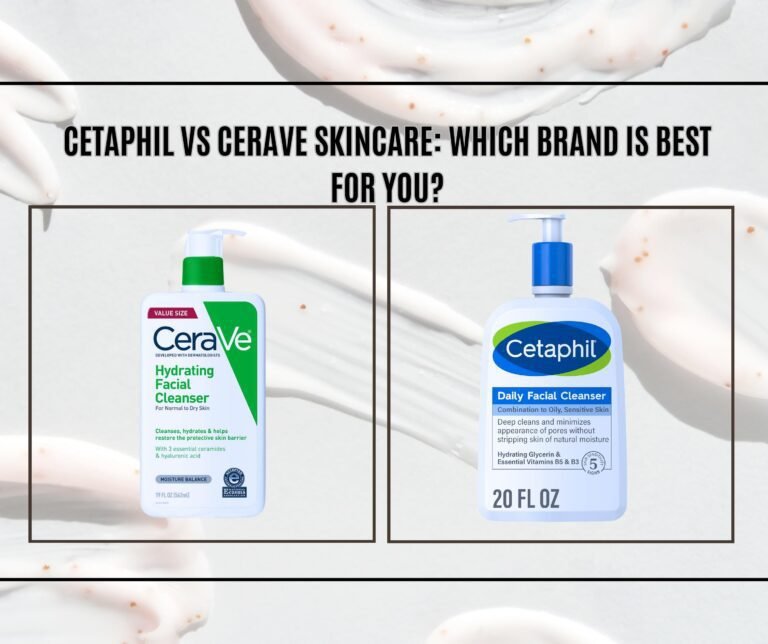
Choose a creamy or gel cleanser with a pH close to the skin’s natural 4.5–5.5. Use lukewarm water and pat, do not rub, your face dry.
Hydrate With Soothing Ingredients
Apply a fragrance-free serum containing glycerin, hyaluronic acid, panthenol or centella while skin is still damp to lock in water.
Seal With a Barrier Moisturizer
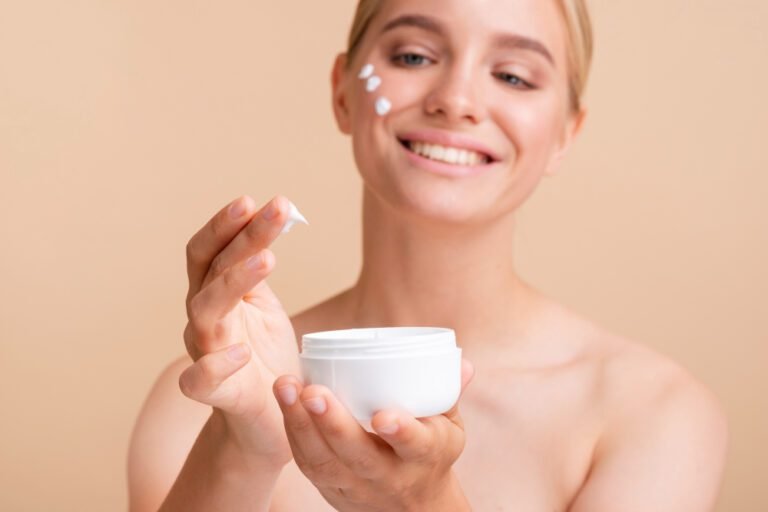
A good moisturizer replaces the lipids your skin is missing. This is the best moisturizer for barrier repair we recommend starting with. Look for ceramides, cholesterol and fatty acids in one formula. Browse top-rated barrier repair moisturizers on Amazon.
Protect With Mineral Sunscreen
Zinc oxide and titanium dioxide filters are generally gentler on reactive skin than some chemical filters, and UV protection is essential while the barrier heals.
Key Ingredients That Help Heal the Barrier
| Ingredient | What It Does | Found In |
|---|---|---|
| Ceramides | Rebuild the lipid ‘mortar’ between skin cells | Barrier creams, lotions |
| Niacinamide | Boosts ceramide production and calms redness | Serums, moisturizers (2–5%) |
| Fatty acids and plant oils | Replenish lipids and soften skin | Squalane, jojoba, sunflower oil |
| Centella asiatica (cica) | Soothes irritation and supports repair | Cica balms, serums |
| Panthenol (vitamin B5) | Hydrates and reduces inflammation | Toners, serums, balms |
Natural Habits That Support Barrier Repair
- Run a humidifier in dry or heated rooms.
- Take shorter, cooler showers.
- Eat omega-3-rich foods such as oily fish, walnuts and flaxseed.
- Drink enough water and prioritize seven to nine hours of sleep.
- Manage stress, which raises cortisol and can slow repair.
Mistakes That Slow Healing
- Reintroducing actives too early
- Using essential oils or fragranced “natural” products, which can irritate
- Switching products every few days instead of staying consistent
- Over-cleansing more than twice a day
Frequently Asked Questions
How long does it take to repair a damaged skin barrier?
Mild damage often improves in one to two weeks; more significant damage can take four to six weeks of a consistent, gentle routine.
Can I use retinol while repairing my barrier?
Pause retinoids until skin feels comfortable again, then reintroduce slowly, two nights a week, buffered with moisturizer.
Is coconut oil good for a damaged skin barrier?
It can soften very dry skin on the body, but it is comedogenic for many people. Squalane or jojoba oil are safer choices for the face.
Should I moisturize more often when my barrier is damaged?
Yes. Reapply moisturizer whenever skin feels tight, and use a thin occlusive layer at night if needed.
When should I see a dermatologist?
If symptoms persist beyond six weeks, worsen, or come with swelling, oozing or severe itching, see a professional to rule out eczema, rosacea or dermatitis.
Final Thoughts
Repairing your skin barrier is about doing less, more consistently. Cleanse gently, hydrate, replenish lipids with a ceramide-rich moisturizer and protect with sunscreen. Give your skin a few weeks of patience and it will reward you with calmer, stronger, healthier skin. Ready to start? Shop barrier repair moisturizers on Amazon.