As an Amazon Associate, BeautyLara earns from qualifying purchases.
Sensitive skin can react with redness, stinging, tightness or breakouts to products other people tolerate easily. Building a routine around gentle, well-formulated basics usually helps more than chasing trends. Below you will find the ingredients to look for and avoid, four widely recommended skincare products for sensitive skin, and a simple routine to tie them together.
Key Ingredients to Look For
- Ceramides help support the skin barrier, which is often compromised in sensitive skin.
- Glycerin and hyaluronic acid attract water to keep skin hydrated without heaviness.
- Niacinamide may help with redness and barrier function; start with lower concentrations.
- Colloidal oatmeal, allantoin, panthenol and centella are commonly used for soothing.
- Mineral UV filters such as zinc oxide are often better tolerated than some chemical filters.
Ingredients to Approach With Caution
Fragrance (including essential oils), denatured alcohol high on the list, strong acids, high-strength retinoids and harsh sulfate cleansers are common triggers. “Hypoallergenic” is not a regulated guarantee, so patch testing still matters.
Top Recommended Products for Sensitive Skin
| Product | Step | Why It Suits Sensitive Skin |
|---|---|---|
| CeraVe Hydrating Facial Cleanser | Cleanse | Non-foaming, ceramides, fragrance-free |
| La Roche-Posay Toleriane Double Repair | Moisturize | Ceramides, niacinamide, fragrance-free |
| EltaMD UV Clear SPF 46 | Protect | Zinc oxide, niacinamide, oil-free |
| Paula’s Choice CALM Redness Relief Serum | Treat | Fragrance-free, designed for redness |
CeraVe Hydrating Facial Cleanser – Best for Dry to Normal Sensitive Skin

This cream-to-lotion cleanser removes dirt and light makeup without the squeaky-clean tightness of foaming washes. It contains ceramides, hyaluronic acid and glycerin and is fragrance-free, according to the brand. It is a popular, affordable starting point for a gentle routine.
| Pros | Cons |
|---|---|
| Non-stripping, non-foaming texture | Struggles with waterproof makeup |
| Fragrance-free with barrier-supporting ceramides | Rich for oily skin |
| Widely available and budget-friendly |
La Roche-Posay Toleriane Double Repair Face Moisturizer – Best for Most Sensitive Skin Types

A lightweight moisturizer with ceramide-3, niacinamide and glycerin, formulated with La Roche-Posay prebiotic thermal water. The brand positions it as oil-free and fragrance-free, and its texture suits both day and night under sunscreen.
| Pros | Cons |
|---|---|
| Lightweight yet hydrating | Light for winter dryness |
| Fragrance-free, oil-free | Niacinamide may sting |
| Layers under SPF, makeup |
EltaMD UV Clear Broad-Spectrum SPF 46 – Best for Sensitive, Acne-Prone or Redness-Prone Skin

A widely recommended facial sunscreen with zinc oxide, octinoxate, niacinamide and hyaluronic acid. It is oil-free and fragrance-free with a sheer finish, though pricier than drugstore options. See our best sunscreen for sensitive skin guide.
| Pros | Cons |
|---|---|
| Lightweight, sheer finish | Higher price |
| Oil-free and fragrance-free | Contains a chemical filter |
| Contains niacinamide |
Paula’s Choice CALM Redness Relief Serum – Best for Visible Redness and Reactive Skin
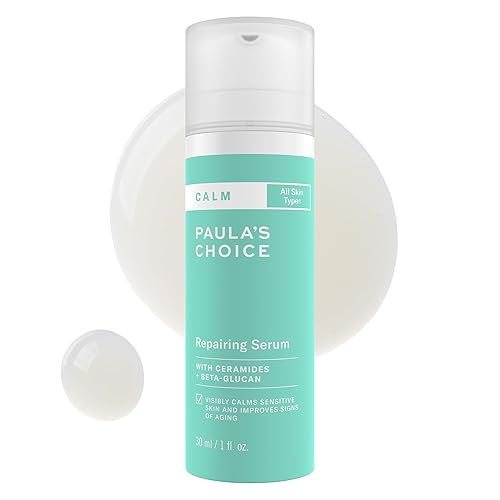
A fragrance-free serum designed to soothe the look of redness, with calming plant extracts and barrier-support ingredients, according to the brand. Use it after cleansing and before moisturizer. Introduce it slowly, as with any new treatment.
| Pros | Cons |
|---|---|
| Fragrance-free | Results vary |
| Lightweight serum texture | Pricier than basics |
| Targets look of redness |
Building a Skincare Routine for Sensitive Skin
Morning
- Rinse with water or use a gentle cleanser.
- Apply a soothing serum if you use one.
- Moisturize.
- Finish with a broad-spectrum SPF 30 or higher.
Evening
- Cleanse gently to remove sunscreen and makeup.
- Apply any treatment serum.
- Moisturize. Choose a richer cream if skin feels tight.
Introducing New Products Safely
- Add only one new product at a time and wait one to two weeks before adding another.
- Patch test on the inner arm or behind the ear for a few days first.
- Keep the routine short; fewer products mean fewer potential triggers.
- If you are prone to breakouts, see our picks for moisturizers for sensitive, acne-prone skin.
Persistent redness, burning or rashes may be signs of conditions such as rosacea, eczema or contact dermatitis. A dermatologist can help identify triggers and recommend treatment.
Frequently Asked Questions
What is the best cleanser for sensitive skin?
A non-foaming, fragrance-free cleanser with barrier-supporting ingredients such as ceramides and glycerin is a good starting point.
Is fragrance-free the same as unscented?
Not always. Unscented products may contain masking fragrance to cover odors, so look for ‘fragrance-free’ on the label.
Should sensitive skin use mineral or chemical sunscreen?
Many people with sensitive skin tolerate mineral filters like zinc oxide well, but the best sunscreen is one you can wear daily without irritation.
Can sensitive skin use retinol or acids?
Often yes, but start with low strengths, use them a few nights a week and buffer with moisturizer. Stop if irritation persists.
Conclusion
The best skincare products for sensitive skin are usually the simplest: a gentle cleanser, a fragrance-free moisturizer, a daily sunscreen and, if needed, one targeted serum. CeraVe, La Roche-Posay, EltaMD and Paula’s Choice all offer well-regarded options, but patch testing and slow introduction matter more than any single product.