As an Amazon Associate, BeautyLara earns from qualifying purchases.
Combination skin can feel like two skin types sharing one face. Your forehead, nose and chin (the T-zone) may turn shiny by lunchtime, while your cheeks feel tight, dry or even flaky. That split makes choosing a moisturizer tricky: rich creams can feel heavy and greasy on oily areas, while ultra-light gels may not provide enough comfort for drier patches.
The good news is that many modern formulas are designed with this balance in mind. Lightweight gel-creams, oil-free lotions and barrier-supporting moisturizers with humectants like hyaluronic acid and glycerin may help hydrate dry zones without adding extra shine where you don’t want it. In this guide, we round up eight widely available moisturizers that are popular choices for combination skin, explain who each one may suit, and share a practical buying guide so you can pick the right texture for your skin and climate.
The product details below are based on manufacturer information and each formula’s general reputation. Skin is individual, so always patch test a new product and check the current listing for the latest ingredients and sizes.
Our Top Picks at a Glance
Short on time? Here is a quick comparison of the eight moisturizers covered in this guide.
| Moisturizer | Texture | Best For | Key Ingredients |
|---|---|---|---|
| Neutrogena Hydro Boost Water Gel | Water gel | Best overall budget pick | Hyaluronic acid |
| Clinique Dramatically Different Moisturizing Gel | Oil-free gel | Oilier T-zones | Hyaluronic acid, barley, cucumber |
| belif The True Cream Aqua Bomb | Gel-cream | Dehydrated combination skin | Squalane, herbal extracts |
| La Roche-Posay Toleriane Double Repair | Light cream | Sensitive combination skin | Ceramide-3, niacinamide, glycerin |
| Kiehl’s Ultra Facial Oil-Free Gel Cream | Gel-cream | Warm, humid climates | Imperata cylindrica extract |
| Clinique Moisture Surge 100H | Gel-cream | Long-lasting hydration | Aloe bioferment, hyaluronic acid |
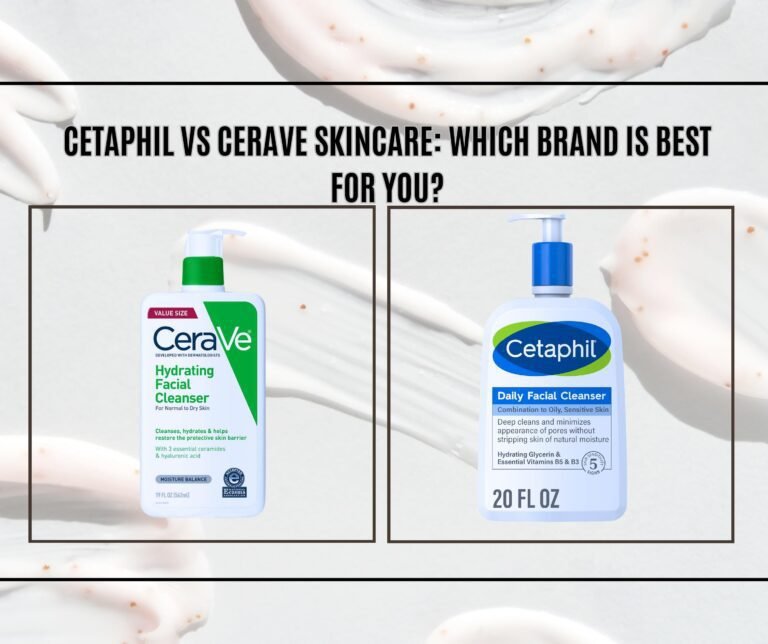
| Cetaphil Daily Hydrating Lotion | Light lotion | Simple, fragrance-free routines | Hyaluronic acid |
| CeraVe PM Facial Moisturizing Lotion | Light lotion | Night-time barrier support | Ceramides, niacinamide, hyaluronic acid |
What Is Combination Skin?
Combination skin simply means that different areas of your face behave differently. Most commonly, the T-zone produces more oil because it has a higher concentration of sebaceous glands, while the cheeks and jawline lean normal to dry. Some people notice the pattern shifts with the seasons: oilier in summer, drier and tighter in winter when indoor heating pulls moisture from the air.
Because of this, the ideal moisturizer for combination skin usually does three things: it hydrates without feeling greasy, it supports the skin barrier so dry areas stay comfortable, and it is non-comedogenic so it is less likely to clog pores in oilier zones. If your T-zone is very oily, you may also find our guide to a skincare routine for oily skin helpful for the cleansing and exfoliating steps around your moisturizer.
The 8 Best Moisturizers for Combination Skin
Neutrogena Hydro Boost Water Gel – Best for Budget-Friendly Daily Hydration

Neutrogena Hydro Boost is a drugstore water-gel built around hyaluronic acid. It may plump dry cheeks without a heavy T-zone film and tends to absorb quickly under makeup. The classic formula contains fragrance.
| Pros | Cons |
|---|---|
| Lightweight water-gel texture | Classic formula is fragranced |
| Affordable and widely available | Too thin in winter |
| Layers well under makeup |
Clinique Dramatically Different Moisturizing Gel – Best for Oilier Combination Skin

Clinique’s Dramatically Different Moisturizing Gel is an oil-free, fragrance-free classic made for combination-oily to oily skin. It absorbs fast and includes hyaluronic acid plus sunflower, barley and cucumber extracts. People with more pronounced dryness may find it too light on its own.
| Pros | Cons |
|---|---|
| Oil-free and fragrance-free | Can feel too light |
| Made for combination-oily skin | Pricier than drugstore gels |
| Fast-absorbing, non-greasy finish |
belif The True Cream Aqua Bomb – Best for Dehydrated Combination Skin

belif Aqua Bomb is a cooling gel-cream with squalane and herbal extracts. It can leave a dewy finish without a heavy, waxy feel, though the light herbal scent may not suit sensitive skin. For a richer option, see our belif Moisturizing Bomb review.
| Pros | Cons |
|---|---|
| Refreshing cooling gel-cream | Contains a light scent |
| Squalane for lightweight moisture | Mid-range price, small jar |
| Fresh, dewy finish |
La Roche-Posay Toleriane Double Repair Face Moisturizer – Best for Sensitive Combination Skin

La Roche-Posay Toleriane Double Repair is an oil-free, fragrance-free cream with ceramide-3, niacinamide and glycerin. Those ingredients may help support the barrier on drier areas, while the light texture stays manageable on the T-zone. It is a good partner if retinoids leave your skin dry.
| Pros | Cons |
|---|---|
| Ceramides and niacinamide | Richer than a gel |
| Oil-free, fragrance-free | May sting near eyes |
| Suitable for sensitive skin |
Kiehl’s Ultra Facial Oil-Free Gel Cream – Best for Warm, Humid Climates

Kiehl’s Ultra Facial Oil-Free Gel Cream is a cooling formula for normal to oily skin. It is alcohol-free and non-comedogenic, and the brand says it helps maintain moisture balance while visibly reducing shine. On cold, dry days, cheeks may want a hydrating serum underneath.
| Pros | Cons |
|---|---|
| Cooling gel-cream texture | Higher price point |
| Oil-free, non-comedogenic | Too light for winter |
| Good for humid weather |
Clinique Moisture Surge 100H Auto-Replenishing Hydrator – Best for Long-Lasting Hydration

Clinique Moisture Surge 100H is an oil-free gel-cream with aloe bioferment and hyaluronic acid. Its in-between texture can feel refreshing on oily areas and more cushioned than a pure gel on dry ones. The brand says it is fragrance-free and allergy tested.
| Pros | Cons |
|---|---|
| Balances both skin zones | Premium price |
| Fragrance-free and oil-free | Results vary by skin |
| Smooth base for makeup |
Cetaphil Daily Oil-Free Hydrating Lotion with Hyaluronic Acid – Best for Simple, Fragrance-Free Routines

Cetaphil Daily Hydrating Lotion is a fragrance-free, non-comedogenic formula with hyaluronic acid, marketed for combination skin. The light lotion absorbs quickly and layers easily under serums. Very oily T-zones may still prefer a gel, while dry patches may want a richer layer at night.
| Pros | Cons |
|---|---|
| Fragrance-free, non-comedogenic | Few standout actives |
| Labeled for combination skin | May feel too thin |
| Affordable drugstore price |
CeraVe PM Facial Moisturizing Lotion – Best for Night-Time Barrier Support

CeraVe PM is an oil-free lotion with three essential ceramides, niacinamide and hyaluronic acid. The thin texture suits combination skin that wants barrier support without heaviness, especially at night. It has no SPF, so use it in the evening or pair it with sunscreen.
| Pros | Cons |
|---|---|
| Ceramides and niacinamide | No SPF for daytime |
| Oil-free, lightweight lotion | Niacinamide may tingle |
| Fragrance-free and affordable |
How to Choose the Best Moisturizer for Combination Skin
There is no single perfect formula for everyone with combination skin. Use the following points to narrow down what will work best for you.
Pick the Right Texture
Texture matters more than almost anything else. Gels and water-gels feel the lightest and tend to suit combination skin that leans oily. Gel-creams offer a middle ground, with more cushion for dry cheeks while still absorbing quickly. Light lotions work well for balanced or slightly dry combination skin. Heavier creams and balms are usually best reserved for spot use on very dry patches or for cold, dry climates. If you are unsure how these categories differ, our explainer on the difference between a moisturizer and a face cream breaks it down.
Look for Hydrating, Non-Greasy Ingredients
- Humectants such as hyaluronic acid and glycerin attract water to the skin and may help dry areas feel more supple without adding oil.
- Ceramides are lipids naturally found in the skin barrier; dermatologists often recommend them for skin that feels tight or easily irritated.
- Niacinamide (vitamin B3) is commonly used to support the skin barrier and may help the look of oiliness and uneven tone over time.
- Squalane is a lightweight emollient that many people with combination skin tolerate well.
Check for “Non-Comedogenic” and “Oil-Free” Labels
These terms are not guarantees, but they indicate that a formula was designed to be less likely to clog pores. If you also experience breakouts or redness, our guide to a moisturizer for sensitive, acne-prone skin covers which ingredients to prioritize and which to approach with caution.
Consider Fragrance
Fragrance can make a product more enjoyable to use, but it is also a common source of irritation. If your skin is sensitive, fragrance-free formulas such as Toleriane Double Repair, Moisture Surge 100H or Cetaphil may be a safer starting point.
Adjust for the Season
Many people with combination skin find they need two moisturizers: a lighter gel for warm, humid months and a slightly richer gel-cream or lotion for winter. Another option is “multi-moisturizing”: apply a light gel all over and add a little extra cream only on the drier areas.
Don’t Forget Sun Protection
Most of the moisturizers above do not contain SPF. In the morning, finish your routine with a broad-spectrum sunscreen. As a rule of thumb, moisturizer goes on before sunscreen, and sunscreen is always the last skincare step of the morning.
How to Apply Moisturizer on Combination Skin
- Cleanse gently. Use a non-stripping cleanser; harsh foaming washes may leave dry areas tighter and can prompt oilier zones to look shinier.
- Apply treatments first. Serums and targeted treatments go on clean skin before moisturizer.
- Use a pea- to nickel-sized amount. Start with a small amount and focus slightly more on the cheeks than on the T-zone.
- Layer where needed. If your cheeks still feel tight, add a thin second layer just to those areas.
- Finish with SPF in the morning. Wait a minute for your moisturizer to settle, then apply sunscreen.
Frequently Asked Questions
What type of moisturizer is best for combination skin?
Lightweight gel-creams and oil-free lotions are often a good fit because they hydrate dry areas without feeling heavy on the oilier T-zone. Look for humectants like hyaluronic acid and glycerin, and barrier-supporting ingredients like ceramides and niacinamide.
Should I use two different moisturizers for combination skin?
Some people do. A common approach is to use a light gel on the T-zone and a richer cream on dry cheeks, or to switch between a lighter formula in summer and a richer one in winter. It is not essential, but it can help if one product does not suit your whole face.
Is a gel moisturizer enough for combination skin?
For many people, especially those whose skin leans oily, a gel moisturizer is enough. If your cheeks still feel tight after a gel, try a gel-cream or add a hydrating serum underneath.
Can moisturizer make my T-zone oilier?
A heavy or occlusive moisturizer may make oily areas look shinier. Skipping moisturizer altogether can also leave skin feeling dehydrated. Choosing an oil-free, non-comedogenic formula and applying a lighter layer on the T-zone may help.
Is CeraVe PM good for combination skin?
CeraVe PM is an oil-free, lightweight lotion with ceramides and niacinamide, and many people with combination skin like it, especially at night. It does not contain SPF, so pair it with a separate sunscreen during the day.
How often should I moisturize combination skin?
Most people benefit from moisturizing twice a day, after cleansing in the morning and evening. If you have a persistent skin concern, a board-certified dermatologist can recommend a routine for your specific needs.
Final Thoughts
The best moisturizer for combination skin is one that keeps dry areas comfortable without adding unwanted shine to your T-zone. If you want an affordable, lightweight option, Neutrogena Hydro Boost Water Gel and Cetaphil’s Daily Hydrating Lotion are easy starting points. If your skin leans oily, Clinique Dramatically Different Moisturizing Gel or Kiehl’s Ultra Facial Oil-Free Gel Cream may suit you, while sensitive or dehydrated combination skin may do better with La Roche-Posay Toleriane Double Repair, Clinique Moisture Surge 100H or CeraVe PM.
Whichever you choose, introduce one new product at a time, patch test first and give it a few weeks before judging the results. And remember to finish your morning routine with a broad-spectrum sunscreen.