As an Amazon Associate, BeautyLara earns from qualifying purchases.
If your mascara smudges into raccoon eyes by mid-afternoon, or you dread scrubbing it off at night, tubing mascara is worth understanding. It works differently from the mascara most of us grew up with: instead of painting pigment onto lashes, it wraps each one in tiny water-resistant polymer sleeves that stay put all day and then slide off with warm water. This guide explains how the technology works, who it suits, where it falls short, and which formulas are worth trying.
What Is Tubing Mascara?
Tubing mascara is a lash formula built on film-forming polymers. As you apply it, the polymers form a flexible “tube” around each lash. Once dry, those tubes resist water, sweat, tears and oil, yet they are not bonded to the lash. Press warm water and gentle pressure against them and the tubes loosen and slide off in small pieces rather than dissolving into black streaks.
Traditional mascara is a mix of waxes, oils and pigments that coats the lash surface. Waterproof versions add more wax and volatile solvents, which is why they hold well but usually need an oil-based remover. Tubing sits in between: smudge-resistant like waterproof, easy to remove like a washable formula.
How Tubing Mascara Works
The process is simple once you know what is happening:
- Application: the wand deposits a liquid polymer mixture onto each lash.
- Setting: as the water in the formula evaporates, the polymers link into a thin, flexible film around the lash.
- Wear: the film does not react to oils on the skin, so it does not migrate onto the lid or under-eye area.
- Removal: warm water softens the film, and gentle pressure lets the tubes slip off the lash intact.
Because the tubes encase lashes rather than piling product on top, most tubing formulas lean toward length and definition rather than dramatic, clumpy volume.
Tubing Mascara vs Regular Mascara
| Feature | Tubing Mascara | Regular Mascara | Waterproof Mascara |
|---|---|---|---|
| How it coats | Polymer sleeve around each lash | Pigment and wax on the surface | Wax-heavy, solvent-based film |
| Smudging | Very low | Common on oily lids | Low |
| Removal | Warm water and gentle pressure | Cleanser or micellar water | Oil-based remover |
| Main effect | Length, separation | Volume, length | Hold, curl retention |
| Layering | Best within about a minute | Easy to build | Builds, but can get stiff |
Benefits of Tubing Mascara
It Stays Off Your Lower Lids
Smudging usually happens when oil from the skin breaks down a mascara’s waxes. Tubing films are not oil-soluble in the same way, so they are a strong match for oily lids, humid climates and hooded eyes where lashes touch the brow bone.
Removal Is Gentler
Rubbing at waterproof mascara is one of the easiest ways to stress the delicate eye area and pull out lashes. With tubing, you press a warm, damp cloth or your fingertips over closed eyes for a few seconds and the tubes slide away.
It Can Suit Sensitive Eyes and Contact Lens Wearers
Because the formula does not flake into fine dust the way some mascaras do, many people with sensitive eyes find it more comfortable. That said, sensitivity depends on the full ingredient list, so patch-test and check our guide to drugstore mascaras for sensitive eyes if you react easily. If you have blepharitis, read our advice on mascara for blepharitis first.
Drawbacks and Common Myths
- Less dramatic volume: tubing defines and lengthens; if you want thick, false-lash volume, you may prefer a traditional formula.
- Short layering window: once the film sets, adding a second coat can cause flaking. Apply coats back-to-back.
- “Tubes” in the sink are not lashes: the small black cylinders you see when removing it are the polymer sleeves, not lost lashes.
- Not every warm-water mascara is true tubing: some brands use the word loosely. Look for “tubing” or “lash tubes” on the label and removal with water alone.
- Curl hold varies: on very straight lashes, some tubing formulas weigh lashes down slightly. Curl first and use a light hand.
Best Tubing Mascaras to Try
The picks below are well-known tubing or warm-water-removable formulas. We have not lab-tested them; descriptions are based on brand information and the general consensus in user reviews. Formulas and shades change, so always check the current listing.
| Mascara | Price Tier | Main Effect | Best For |
|---|---|---|---|
| Tarte Tubing Mascara | Mid-range | Length, lift | Everyday definition |
| Blinc Mascara Amplified | Mid-range | Length, buildable volume | The original tubing experience |
| Thrive Causemetics Liquid Lash Extensions | Prestige | Length, separation | Long wear, sensitive eyes |
| L’Oréal Double Extend Beauty Tubes | Drugstore | Length with base coat | Budget tubing |
Tarte Tubing Mascara
Best for: Everyday length and lift
Tarte’s tubing formula is designed to lengthen and lift without flaking or smudging, and it removes with warm water. For a closer look at texture, wear and removal, see our full Tarte Tubing Mascara review.
Pros
- Lengthens and separates
- Removes with warm water
- Easy to find in stores and online
Cons
- Not a high-volume formula
- Second coats need to go on quickly
Blinc Mascara Amplified
Best for: First-time tubing users
Blinc is widely credited with popularising tubing mascara. Amplified is a slightly bolder version that builds more than many tubing formulas while keeping the warm-water removal.
Pros
- Classic tubing technology
- Very smudge-resistant
- Buildable when layered quickly
Cons
- Wand can feel wet at first
- Fewer shade options
Thrive Causemetics Liquid Lash Extensions Mascara
Best for: Long wear and fuller-looking length
Thrive describes this formula as tubing-style and long-lasting, with removal using warm water. It is a popular choice among people who want length plus a little more body.
Pros
- Lengthens and lifts
- Long-wearing
- Warm-water removal
Cons
- Prestige price
- Can feel stiff if over-applied
L’Oréal Double Extend Beauty Tubes
Best for: Budget shoppers
A two-step drugstore option: a white base coat followed by a tubing top coat. The base adds length; the tubes lock it in. Apply the top coat while the base is still slightly tacky.
Pros
- Affordable
- Base coat boosts length
- Easy to find
Cons
- Two steps take longer
- Base can peek through if top coat is thin
How to Apply Tubing Mascara
- Start with clean, dry lashes. Oil-based eye cream or primer on the lashes can stop the film setting properly.
- Curl first. Curling after application can crack the tubes.
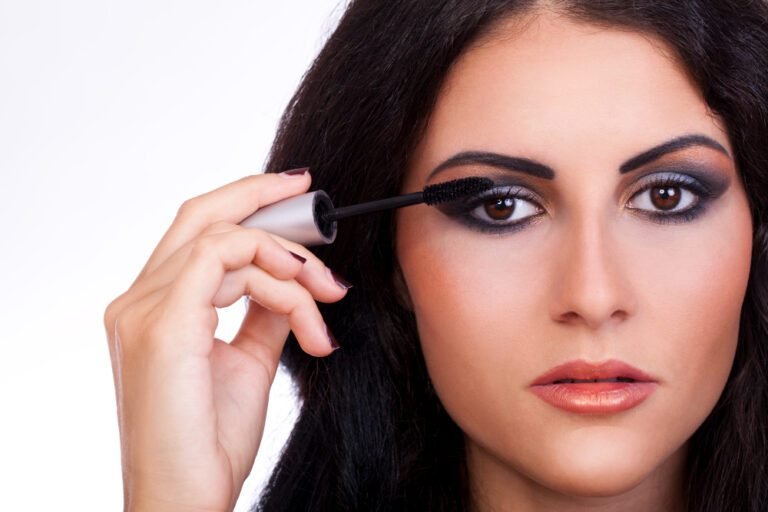
- Wipe the wand. Remove excess on the tube opening for cleaner separation.
- Wiggle at the root, then sweep up. Most of the tube should form from root to tip in one pass.
- Add a second coat within about 30–60 seconds. Waiting until it dries completely invites flaking.
- Use the tip for lower lashes. A light touch keeps the lower lash line neat.
Clumps usually mean too much product or a dried-out tube. Our guide on how to prevent mascara clumps covers the fixes.
How to Remove Tubing Mascara
Soak a soft cloth or cotton pad in warm (not hot) water. Hold it against closed eyes for 10–20 seconds, then gently press and slide downward. The tubes should come away in small pieces. Use your fingertips to work through any stubborn ones at the roots. There is no need for oil or tugging; if it is not coming off, give the water a little longer.
Who Should Use Tubing Mascara?
- People with oily or hooded lids who fight smudging.
- Anyone in hot, humid weather, at the gym or at events where tears are likely.
- People who find waterproof mascara hard to remove.
- Those who prefer defined, natural-looking length.
Skip it, or use it as a base under a volumising formula, if your main goal is maximum volume.
Frequently Asked Questions
Is tubing mascara waterproof?
It is water-resistant: it holds up to tears, sweat and humidity, but warm water combined with gentle pressure is designed to remove it. It is not meant for swimming the way true waterproof mascara is.
Is tubing mascara better for your lashes?
It can be gentler because removal needs less rubbing and no oil-based remover. That reduces friction on lashes, but no mascara makes lashes grow.
Why does tubing mascara flake?
Usually because a second coat was added after the first had dried, or the tube is old. Layer quickly and replace mascara about every three months.
Can I wear tubing mascara with lash extensions or a lash lift?
Many people do, but follow your technician’s advice. Warm-water removal is generally kinder to lifts than oil-based removers.
Can you put regular mascara over tubing mascara?
Yes. Some people use tubing as a base for length, then add a traditional mascara for volume. You lose some of the smudge-proof benefit.
Conclusion
Tubing mascara solves two everyday problems at once: smudging during the day and harsh removal at night. It shines for length and definition rather than drama, and it rewards a quick two-coat technique. If you want to try one, start with an established formula like Tarte or Blinc, curl before you apply, and remove with warm water and patience.