As an Amazon Associate, BeautyLara earns from qualifying purchases.
The little sponge-tip wand tucked into many eyeshadow palettes is often ignored, but used well it is a precise, budget-friendly tool. Knowing how to use an eyeshadow applicator, and when to choose a sponge, brush or finger, helps you place color exactly where you want it and get more intense payoff. This guide covers the main applicator types, step-by-step technique and how to keep your tools clean.
What Is an Eyeshadow Applicator
An eyeshadow applicator is any tool used to pick up and place shadow on the lid. The term usually refers to double-ended sponge-tip wands, but it also covers brushes and silicone tools. Each one deposits pigment differently: sponges pack color densely, brushes diffuse it, and fingers warm creams and shimmers so they melt onto the skin.
Types of Eyeshadow Applicators
| Applicator | Best For | Finish |
|---|---|---|
| Sponge tip | Packing color, shimmer, smudging liner | Intense, opaque |
| Flat shader brush | Laying color on the lid | Even, buildable |
| Fluffy blending brush | Crease and soft transitions | Diffused |
| Pencil or detail brush | Outer V, lower lash line | Precise |
| Silicone applicator | Glitter and cream shadows | Smooth, packed |
| Fingertips | Cream and metallic shadows | Radiant |
Sponge-Tip Applicators
Dense foam tips grab plenty of pigment and press it onto the lid, which makes them ideal for shimmer and foiled shades. The narrow edge also works for smudging shadow along the lash line.
Eyeshadow Brushes
Brushes give more control over blending. A flat shader lays down color, a fluffy brush blends edges, and a small pencil brush adds definition. If you are building a kit, our makeup tips for beginners cover the basics.
Silicone Applicators
Silicone tools do not absorb product, so they are easy to clean and good for glitter and creams, though they blend less than brushes.
How to Use an Eyeshadow Applicator Step by Step
- Prime the lid. An eyeshadow primer or a thin layer of concealer helps color grip and last longer.
- Pick up product lightly. Press the sponge into the pan rather than swiping hard, and tap off excess to reduce fallout.
- Pat, do not swipe. Press color onto the center of the lid with small patting motions, then work outward. Patting builds intensity without disturbing your base.
- Blend the edges. Sponges create strong edges, so soften the crease with a clean fluffy brush or the clean end of the applicator.
- Add definition. Use the thin edge of the sponge to press a deeper shade into the outer corner or along the lower lash line.
- Highlight. Tap a light shimmer onto the inner corner and center of the lid for dimension.
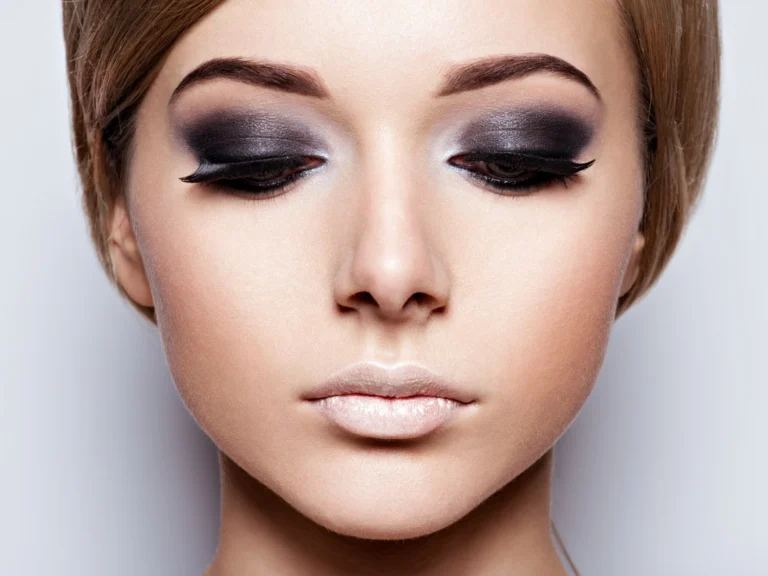
Dampening a sponge tip slightly can intensify metallic shades, but do not use water on pressed powders you want to keep pristine, as it can harden the pan surface. For a full look, try our step-by-step guide on how to do smokey eye makeup.
Tips for Better Results
- Use one end of a double-ended applicator for light shades and the other for dark shades to avoid muddy color.
- Work in thin layers and build up rather than applying a lot at once.
- Do your eye makeup before foundation if you tend to get fallout, then clean up underneath.
- Match the shades to your eye color; see our picks for eyeshadow palettes for brown eyes for ideas.
Shop Eyeshadow Applicators on Amazon
Cleaning and Replacing Applicators
Applicators touch the delicate eye area, so hygiene matters. Wash sponge tips and brushes regularly with mild soap or brush cleanser and lukewarm water, then let them air-dry fully. Disposable sponge tips are a hygienic option, especially if you share makeup or have sensitive eyes. Replace reusable sponge tips when they tear, crumble or no longer come clean. Avoid sharing eye tools, and stop using them during an eye infection.
Frequently Asked Questions
Are sponge applicators better than brushes?
Neither is better overall. Sponges pack intense color, while brushes blend more softly. Many people use both in the same look.
Why does my eyeshadow look patchy with a sponge?
You may be swiping instead of patting, or using too much product at once. Prime the lid, tap off excess and build in thin layers.
Can I use the palette applicator for blending?
It can blend small areas, but a fluffy brush gives a more seamless crease. Use the clean end of the sponge if that is all you have.
How often should I replace sponge-tip applicators?
Replace them whenever they look worn or stained after washing, or use disposable ones for the best hygiene.
Conclusion
An eyeshadow applicator is a small but useful tool. Use sponge tips to pack color and shimmer, brushes to blend, and silicone or fingers for creams. Prime first, pat rather than swipe, build in layers and keep everything clean, and even the humble palette applicator can deliver a polished eye look.