As an Amazon Associate, BeautyLara earns from qualifying purchases.
Choosing a mascara looks simple until you are standing in front of forty tubes that all promise “volume.” The right pick depends on three things: what your lashes need (length, volume, curl or definition), how your eyes react to makeup, and how much staying power your day demands. This guide breaks those decisions down so you can match a formula and brush to your lashes instead of buying on hype.
Start With What Your Lashes Need
Most mascaras are built around one main job. Knowing which job matters most to you narrows the shelf quickly.
- Length: lengthening formulas usually contain fibres or a thinner, buildable texture and pair with a comb-style or slim brush that separates each lash.
- Volume: volumising formulas are thicker and creamier, and they tend to come with big, dense bristle brushes that deposit more product per stroke.
- Curl: curling mascaras use lighter, faster-setting films so they do not weigh lashes down, and the brush is often curved.
- Definition: if you want a clean “lash-by-lash” look, a small or silicone brush and a non-clumping formula matter more than a big promise on the tube.
If you want two effects (say, length and volume), layer a lengthening coat first and a volumising coat on the outer lashes, rather than piling on one thick formula.
Understand the Main Mascara Formulas
| Formula | How it works | Best for | Watch out for |
|---|---|---|---|
| Standard (washable) | Film that dissolves with cleanser and warm water | Everyday wear, sensitive eyes | Can smudge in heat or humidity |
| Waterproof | Water-resistant waxes and polymers | Swimming, crying, humid climates | Harder to remove; needs an oil-based remover |
| Tubing | Polymers wrap each lash in tiny tubes | Smudge-prone or watery eyes, hooded lids | Less dramatic volume |
| Fibre | Fine fibres cling to lash tips | Extra length | Fibres can fall into the eyes |
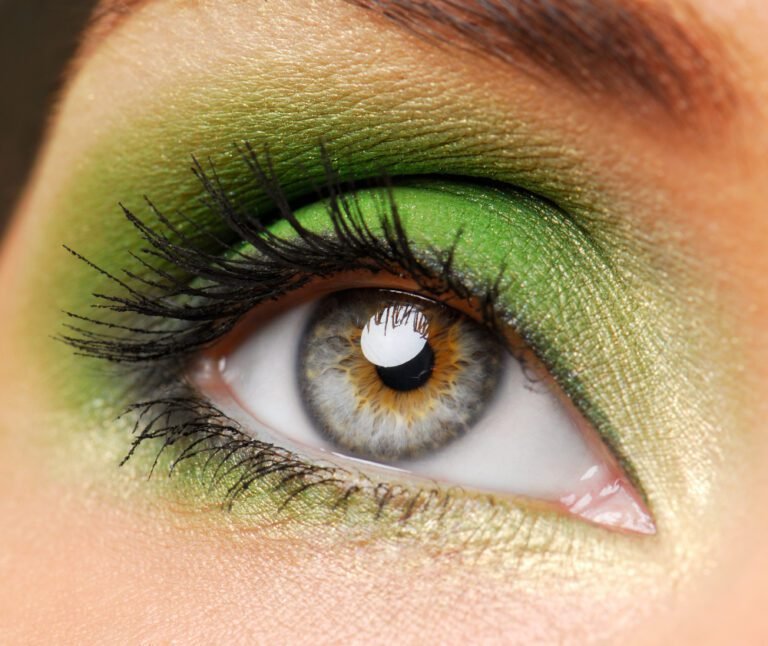
| Coloured | Pigmented formula in blue, brown, green, etc. | Making eye colour pop, fun looks | Shade choice matters more than with black |
For a closer look at the tube-forming option, read our guide to tubing mascara. It is one of the easiest switches if your mascara keeps leaving shadows under your eyes.
Pick a Brush That Matches Your Lashes
The brush does as much work as the formula. Use this as a rough guide:
- Short or sparse lashes: a small, tapered brush reaches the root and inner corners.
- Straight lashes: a curved brush helps lift as you wiggle upward; curl first with a lash curler.
- Long lashes that clump: a comb or silicone brush separates without overloading.
- Thin lashes that need fullness: a fat, dense bristle brush adds bulk.
Choosing Mascara for Sensitive Eyes
If your eyes water, itch or turn red after mascara, the issue is usually fragrance, flaking or the effort it takes to remove waterproof formulas. Look for “ophthalmologist tested” and fragrance-free labels, avoid fibre formulas, and choose a washable or tubing mascara you can remove without rubbing. We cover specific picks in our guide to the best mascara for sensitive eyes.
Black, Brown or Coloured Mascara
Black gives the most drama and suits most people. Brown looks softer on fair skin and light lashes, and it is a good daytime choice if black feels harsh. If you are torn, our comparison of black vs brown mascara walks through skin tone and occasion. Coloured mascara, especially navy or cobalt, can make the whites of the eyes look brighter; see our roundup of blue mascaras if you want to try it.
How to Apply Mascara for the Best Result
- Start with clean, dry lashes. Leftover oil from eye cream or makeup remover makes mascara slide and smudge.
- Curl first. Curling after mascara can bend or break lashes.
- Wipe the wand. Remove excess product on the tube opening; do not pump the wand, which pushes air in and dries the formula.
- Wiggle at the root, then pull through. Most of the product should sit at the base for lift.
- Add coats while wet. Layering on a dried coat is what causes chunky clumps.
- Do the lower lashes lightly, holding the wand vertically.
If clumps are your biggest problem, our step-by-step guide on how to prevent mascara clumps goes deeper.
Removing Mascara Without Damaging Lashes
Rubbing is the enemy. Soak a cotton pad in micellar water (for washable formulas) or an oil-based or bi-phase remover (for waterproof), hold it on closed eyes for 20–30 seconds, then wipe downward. A cleansing oil also works well as the first step of a double cleansing routine.
When to Replace Your Mascara
The common guidance is to replace mascara about every three months, because the tube is a moist environment where bacteria can grow. Replace it sooner if it smells odd, turns clumpy and dry, or if you have had an eye infection. Never share mascara.
Ready to compare options? Browse popular mascaras on Amazon.
Frequently Asked Questions
What type of mascara is best for beginners?
A washable, lengthening mascara with a medium-sized brush is the easiest to control. It removes easily and builds gradually, so mistakes are simple to fix.
Is waterproof mascara bad for your lashes?
Not by itself, but it needs more effort to remove. Repeated rubbing can loosen lashes, so many people save waterproof formulas for days they really need them.
How many coats of mascara should I use?
Two coats applied while the first is still wet works for most people. More coats add volume but also increase the risk of clumps.
Why does my mascara smudge under my eyes?
Oily lids, eye cream and humidity break down standard formulas. Try a tubing or waterproof mascara and keep eye cream away from the lash line in the morning.
Conclusion
The best mascara is the one built for your lashes: decide whether you need length, volume, curl or definition, choose a formula that suits your eyes and day, and match the brush to your lash shape. Apply it on clean lashes, remove it gently, and replace it every few months.