As an Amazon Associate, BeautyLara earns from qualifying purchases.
Learning makeup can feel overwhelming when every tutorial uses ten products and a professional ring light. The good news is that a handful of techniques do most of the work. These makeup tutorial tips for beginners cover skin prep, base, concealer, brows, eyes and lips, with practical advice you can use with the products you already own, plus a few habits that working makeup artists rely on.
Start With Skin Prep
- Cleanse and moisturize: makeup sits better on hydrated skin. Give moisturizer a couple of minutes to absorb.
- Use sunscreen in the daytime: apply it as the last skincare step and let it set before base.
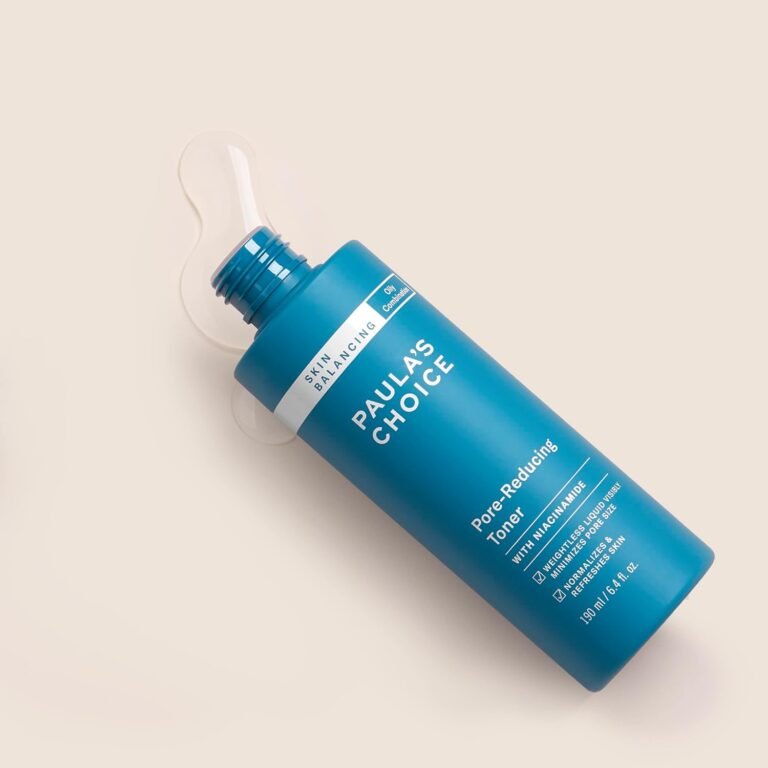
- Choose primer for a reason: a smoothing primer for visible pores, a gripping primer for long wear or a hydrating one for dry patches. Skip it if your base already lasts.
Foundation Tips for a Natural Finish
Match Your Shade Correctly
Swatch three shades along your jawline in daylight. The one that disappears is your match. Pay attention to undertone (warm, cool or neutral) as much as depth.
Apply Less Than You Think
Start with a small amount in the center of the face and blend outward. Build coverage only where you need it rather than applying a thick layer everywhere.
Pick the Right Tool
A damp sponge gives the most natural, skin-like finish; a dense brush gives more coverage; fingers warm the product and work well for skin tints.
Concealer and Color Correcting
Use a concealer one shade lighter than your foundation under the eyes and an exact match on blemishes. Tap, rather than rub, to blend. Peach or orange correctors can cancel blue-toned dark circles on medium to deep skin; green tones down redness. If dark circles are your main concern, our guide to getting rid of dark circles covers care beyond concealer.
Setting Without Looking Cakey
Press a light layer of translucent powder only where you get shiny, usually the T-zone and under the eyes. A setting spray helps melt powder into the skin. If you have dry skin, you may only need powder on the center of your face.
Brows Frame the Face
- Brush brows up first to see the natural shape.
- Fill sparse areas with light, hair-like strokes using a pencil a shade lighter than your hair.
- Keep the front of the brow softer than the tail.
- Set with a clear or tinted brow gel; see our eyebrow gel guide for options.
Eyeshadow Basics for Beginners
Use a Simple Three-Shade Method
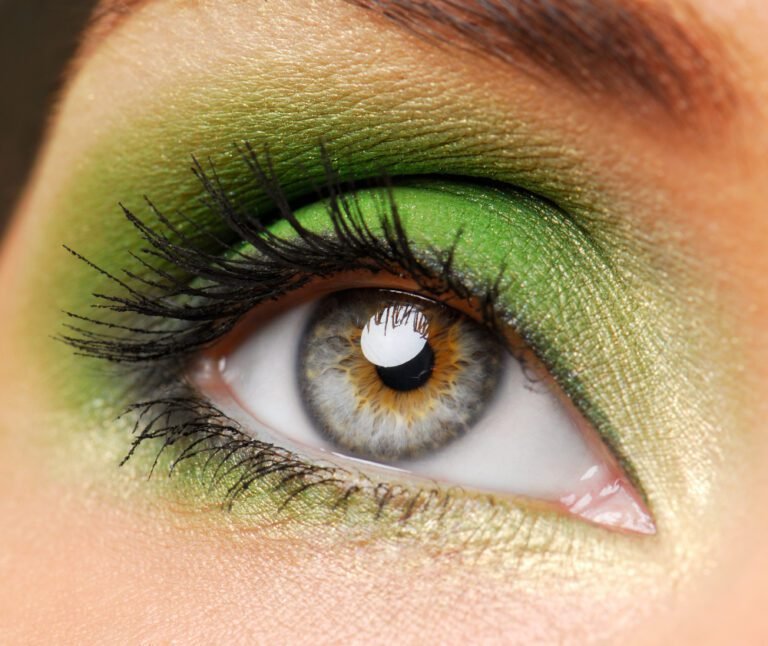
A light shade all over the lid, a medium transition shade in the crease and a deeper shade on the outer corner create depth on any eye shape.
Blend With Light Pressure
Use a fluffy brush in small windshield-wiper motions. Most harsh lines come from too much product and too much pressure.
Do Eyes Before Base When Using Dark Shadows
Smoky shades can fall onto the cheeks. Doing eye makeup first lets you clean fallout without ruining foundation.
Eyeliner and Mascara Tips
Beginners find it easier to draw a series of short dashes along the lash line and connect them, rather than one long stroke. For a wing, follow the line from your lower lash line toward the tail of your brow. Curl lashes before mascara, wiggle the wand at the root and comb through before it dries to avoid clumps.
Blush, Bronzer and Highlighter
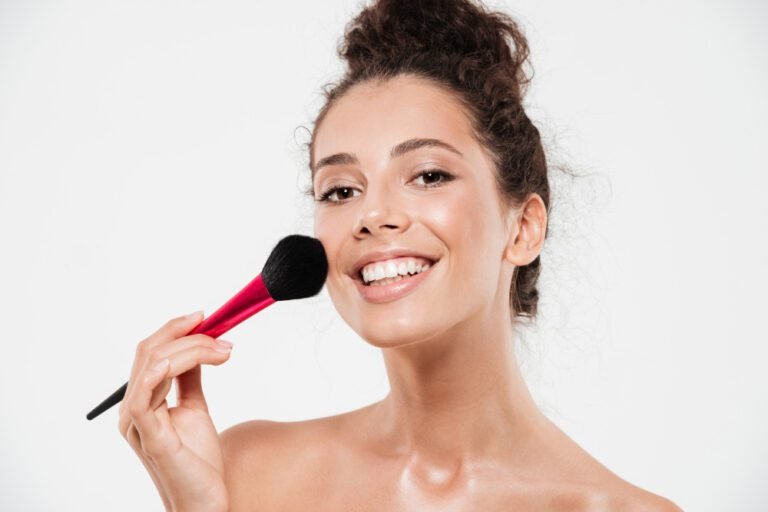
Smile and apply blush to the apples of the cheeks, blending up toward the temples. Bronzer goes where the sun naturally hits: the top of the forehead, cheekbones and jawline. Highlighter belongs on the high points only, such as the tops of the cheekbones and the bridge of the nose.
Lips That Last
Exfoliate gently and use balm, blot, line the lips with a liner close to your lipstick shade, then apply lipstick and blot. Our guide on how to make your lipstick last longer goes deeper into layering tricks.
Tools and Hygiene
You only need a few brushes to start: a foundation brush or sponge, a fluffy powder brush, a blending eyeshadow brush and a small flat shader. Wash brushes and sponges regularly to prevent buildup and breakouts, and replace mascara about every three months. Shop beginner makeup brush sets on Amazon.
Tips for Aspiring Makeup Artists
- Practice on different skin tones, ages and eye shapes, not just your own face.
- Learn color theory, especially undertones, since it explains most shade-matching problems.
- Photograph your work in daylight and flash to see how products read on camera.
- Keep a sanitized kit: disposable mascara wands, spatulas for creams and alcohol to clean palettes.
Ready for a full routine? Follow our step-by-step guide to an everyday makeup look.
Frequently Asked Questions
What makeup should a beginner buy first?
Start with a skin tint or foundation, concealer, a brow pencil, mascara, a cream or powder blush and a lip product. Add eyeshadow and contour once you are comfortable.
How do I stop foundation from looking cakey?
Moisturize first, use less product, blend with a damp sponge and only powder where you get oily.
Should I apply concealer before or after foundation?
Usually after, so you only add concealer where foundation did not cover enough. This keeps the overall layer thinner.
How can I practice makeup faster?
Pick one technique per week, such as winged liner, and practice it daily. Short, repeated practice beats occasional full looks.
Conclusion
Great makeup is less about owning many products and more about mastering a few habits: prep the skin, apply thin layers, blend patiently and keep tools clean. Use these makeup tutorial tips for beginners as a checklist, practice one step at a time and your routine will feel quicker and more confident within weeks.