As an Amazon Associate, BeautyLara earns from qualifying purchases.
Blackheads on the nose are among the most common skin complaints, and among the most tempting to squeeze. The good news is that you can clear and prevent most of them at home with the right ingredients and a little patience, and without damaging your skin. This guide explains what blackheads are, which methods work, which to avoid, and when to see a professional.
What Are Blackheads
Blackheads (open comedones) form when a pore fills with sebum and dead skin cells. The top of the plug stays open to the air and oxidises, which turns it dark. It isn’t dirt. The nose is a hotspot because it has many large, active oil glands.
Not every dark dot is a blackhead. Sebaceous filaments are normal, greyish or tan dots that fill pores on the nose and refill within days of extraction. They can be minimised but not removed for good.
How to Remove Blackheads on Your Nose Safely
Cleanse Gently Twice a Day
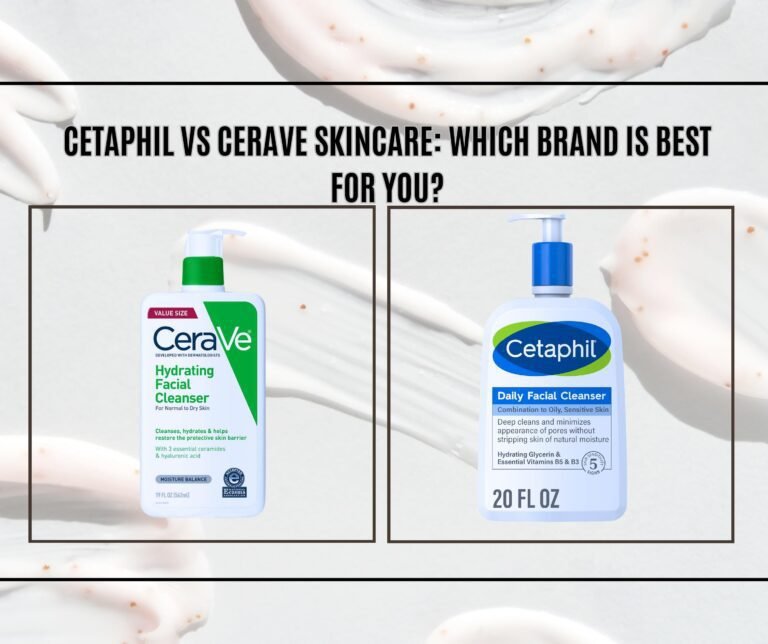
Use a gentle, non-stripping cleanser. If you wear sunscreen or makeup, a double cleansing routine with an oil cleanser first helps dissolve oily plugs.
Use Salicylic Acid (BHA)
Salicylic acid is the most useful ingredient for blackheads. It’s oil-soluble, so it gets into the pore and loosens the plug. Use a leave-on BHA such as a salicylic acid exfoliant a few times a week, then increase if your skin tolerates it. Our guide to Paula’s Choice BHA explains how to use it.
Add a Retinoid
Retinoids such as adapalene, sold over the counter in some countries, or retinol help normalise skin-cell turnover so pores clog less. Start slowly and wear sunscreen.
Try a Clay Mask
Kaolin or bentonite clay masks once or twice a week absorb excess oil and can make pores look clearer.
Pore Strips (Occasionally)
Pore strips pull out the top of some plugs for an instant improvement, but they don’t prevent new blackheads and can irritate sensitive skin. Use them sparingly.
Professional Extraction
A dermatologist or licensed esthetician can extract stubborn blackheads with sterile tools and proper technique.
What to Avoid
- Squeezing with fingernails: this can push debris deeper, tear skin and leave marks or scars.
- Harsh scrubs: rough sugar or walnut scrubs can cause micro-irritation. Chemical exfoliants do the job more evenly.
- Toothpaste, lemon juice or baking soda: these popular DIY remedies are irritating and can disrupt the skin barrier.
- Long, very hot steaming: brief warmth softens skin, but long or very hot steam can aggravate redness and sensitivity.
- Using too many actives at once: layering BHA, retinoids and scrubs together often leads to irritation.
A Simple Routine for Blackhead-Prone Noses
| Step | Morning | Evening |
|---|---|---|
| Cleanse | Gentle cleanser | Oil cleanser (if wearing SPF or makeup), then gentle cleanser |
| Treat | None, or BHA on alternate days | BHA or retinoid (alternate nights) |
| Moisturize | Light, non-comedogenic moisturizer | Light, non-comedogenic moisturizer |
| Protect | Broad-spectrum SPF 30+ | None |
| Weekly | None | Clay mask once or twice a week |
If your whole face gets shiny, also see our skincare routine for oily skin. Give any routine 6–8 weeks before judging it.
When to See a Dermatologist
See a professional if your blackheads come with painful bumps, cysts or scarring, if over-the-counter products haven’t helped after a few months, or if you aren’t sure whether you’re dealing with blackheads, sebaceous filaments or another condition.
Frequently Asked Questions
Why do blackheads on my nose keep coming back?
The nose produces a lot of oil, so pores refill. Ongoing use of a BHA or retinoid keeps them clear. One-off extraction never lasts.
Are pore strips bad for your skin?
Used occasionally on non-sensitive skin they’re generally fine, but they only remove the top of the plug and can irritate. They don’t prevent blackheads.
Can steaming open your pores?
Pores don’t open and close like doors. Warmth softens the sebum and skin, which can make cleansing and extraction easier. Keep it brief and comfortable.
How long does it take to get rid of blackheads?
With consistent salicylic acid or retinoid use, many people see improvement in 4–8 weeks. Sebaceous filaments will always come back to some degree.
Conclusion
The most effective way to get rid of blackheads on your nose is steady, gentle care: cleanse well, use salicylic acid or a retinoid regularly, add a clay mask now and then, and don’t squeeze. Be patient, wear sunscreen daily, and see a dermatologist if blackheads are severe or come with painful breakouts.